
Looking For a NYC Apartment Renovation Architect?
Updated: Oct 2
Here Are 10 Things You Should Know About the 2026 Code Changes
If you’re reading this, you’ve likely spent a quiet morning looking around your living room, imagining how it could feel a bit more like a sanctuary. Maybe the kids are outgrowing their shared bedroom, or perhaps you’ve finally decided that your kitchen should be more than just a place to boil pasta: it should be a space that nourishes your family.
As we move through 2026, the landscape of New York City living is shifting. Renovating an apartment in this city has always been a bit of a puzzle, but with the recent updates to the NYC Energy Conservation Code and the tightening of Local Law 97, the rules of the game have changed.
At Tong Dong Architects (TDA), we see these changes not as hurdles, but as opportunities. For us, a healthy home renovation isn’t just about checking a box for the Department of Buildings (DOB); it’s about making sure your home is a place where you can truly recharge. Let’s walk through the 10 most important things you need to know about the 2026 code changes and how they’ll affect your upcoming project.
1. The All-Electric Mandate is Here
By now, you’ve likely heard that NYC is moving away from fossil fuels. In 2026, this is no longer a "maybe": it’s the standard. New renovations are increasingly required to phase out gas lines for cooking and heating.
While giving up a gas range might feel like a sacrifice for some home chefs, the benefits for your family’s health are enormous. Studies show that gas stoves can release nitrogen dioxide and fine particulate matter into your kitchen. By switching to high-efficiency induction cooktops, you’re making a massive leap in improving indoor air quality in your home renovation. It’s cleaner, safer for little hands, and incredibly precise.
2. Tight Envelopes Mean We Must Breathe Better
The 2026 codes focus heavily on "building envelopes", basically, how well your apartment holds in heat and air conditioning. While a "tight" apartment is great for your energy bill, it can be tough on your lungs if the air just sits there.
This is where a NYC apartment renovation architect becomes your best advocate. We don’t just seal your home; we design it to breathe. We now prioritize Energy Recovery Ventilators (ERVs). Think of an ERV as the lungs of your apartment; it constantly swaps out stale, indoor air for fresh, filtered outdoor air without losing your expensive heat or cooling.
3. Material Transparency and Your Health
In years past, "code compliant" just meant a building wouldn’t fall down. In 2026, there is a much higher awareness of what actually goes into our walls and floors. We are seeing a major push for non-toxic materials renovation.
For example, many traditional cabinets and floorings use glues containing formaldehyde, which can off-gas into your home for years. As part of our calm, wellness-focused approach, we help you select "Red List Free" materials. This means your new home won't just look beautiful; it will be chemically safe for your children and pets to crawl on.

4. The "Small Apartment" Efficiency Challenge
If you are tackling a small apartment renovation NYC style, the 2026 codes require us to be even smarter with space. New requirements for insulation thickness can sometimes eat into your precious square footage.
However, a skilled architect knows how to turn these constraints into design features. We might use high-performance, thin-profile insulation or integrate storage into the "thick" walls required by the new thermal codes. Every inch matters, and we treat your floor plan like a living organism that needs to function perfectly in a compact footprint. You can learn more about how we approach these challenges in our ultimate guide to a healthy home.
5. Local Law 97 and Your Co-op Board
If you live in a larger building, your Co-op or Condo board is likely feeling the pressure of Local Law 97 fines, which have increased in 2026. This means they are being much stricter about the renovation plans they approve.
Your board will want to see that your renovation isn’t adding an undue load to the building’s electrical system. Working with an architect who understands these "behind-the-walls" logistics is essential. We speak the language of building managers and board-reviewed architects to ensure your project moves through the approval process smoothly.
6. Biophilic Design is Now a Performance Requirement
While "biophilia" (our innate connection to nature) isn't strictly a line item in the building code, the 2026 standards for natural light and views have become more rigorous. The city recognizes that access to daylight is a public health necessity.
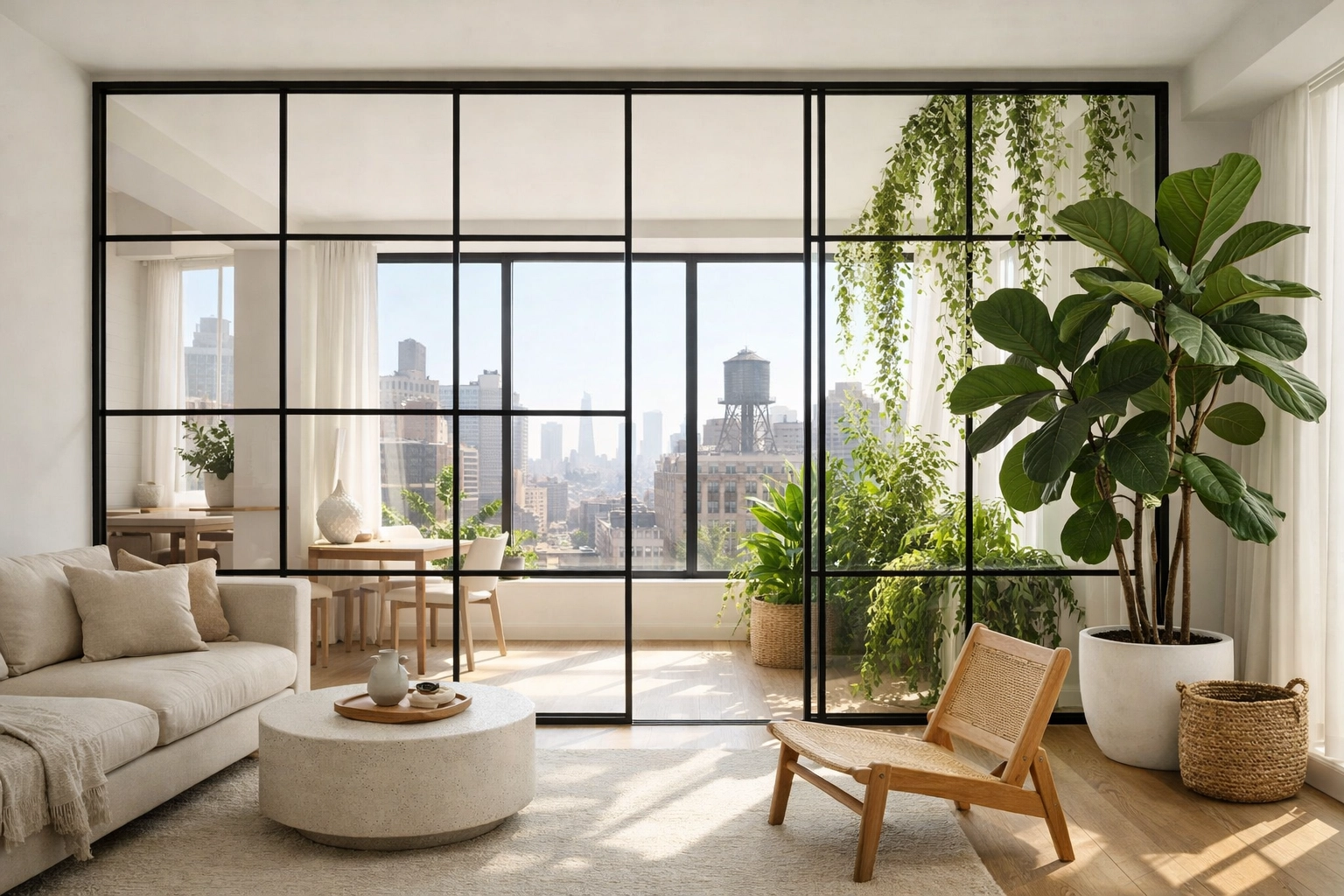
In a biophilic design apartment, we look at how sunlight moves through your space throughout the day. We might use internal glass partitions to let light from your living room windows reach a home office, or suggest "living walls" that act as natural air filters. It’s about creating a sense of harmony between your indoor life and the natural world outside.
7. The Rising Importance of the "Energy Audit"
Before we even pick up a pencil to sketch your new layout, we often recommend an energy audit. In 2026, the DOB increasingly looks for these as part of the filing process for a NYC townhouse renovation.
For instance, an audit might reveal that your historic brownstone is losing 30% of its heat through the roof or old window frames. By addressing these "unseen" issues first, we ensure that your beautiful new interior isn't just a mask over an inefficient, drafty shell. It’s a long-term investment in your comfort and the planet.
8. Smart Tech as a Wellness Tool
The 2026 codes encourage (and sometimes mandate) "smart" lighting and climate controls. But at TDA, we don't like tech for the sake of tech. We use it to support your circadian rhythm.
Imagine lights that slowly brighten with a warm, amber hue in the morning to wake you gently, then transition to a crisp, energizing light for your mid-day meetings, and finally dim to a soft glow in the evening. This isn't just a luxury; it’s a way to help your body recharge and flourish in a city that never sleeps.
9. Navigating the New Permitting Timelines
One thing hasn't changed in 2026: the NYC Department of Buildings is still a complex machine. However, the move to fully digital filings (DOB NOW) has created new rhythms.
Permit and board approvals typically take between 4 and 12 weeks. Because the 2026 codes are more technical, the "objection" process can be longer if your architect isn't experienced with the new energy software requirements. We stay ahead of these shifts so your renovation timeline stays as predictable as possible.
10. Cost Transparency in a Sustainable World
It’s no secret that high-performance windows and non-toxic paints can carry a premium. However, the "cost" of a renovation should be viewed through a wider lens.
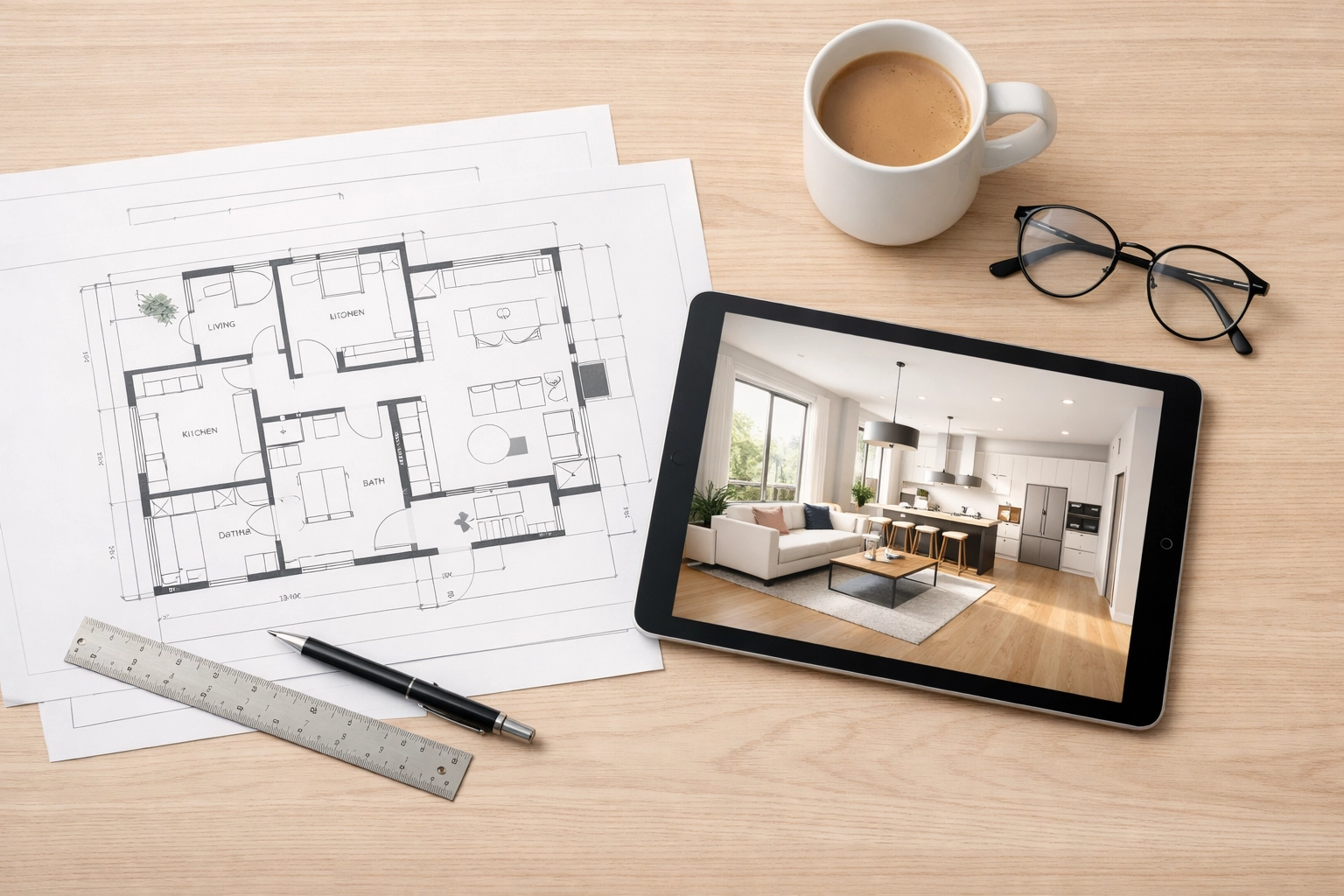
When you invest in a sustainable residential design NYC project, you are lowering your monthly utility bills and, more importantly, reducing potential healthcare costs by creating a toxin-free environment. We pride ourselves on being transparent about the average cost of construction in NYC, helping you balance your aesthetic dreams with the practical realities of the 2026 market.

Building Your Sanctuary Together
Renovating in New York City can feel like a daunting journey, especially with the ever-evolving rules of 2026. But you don't have to navigate it alone. Whether you are looking for a NYC apartment renovation architect to help with a small studio or a full NYC townhouse renovation, our goal is the same: to create a home that supports your well-being.
Think of your home as a garden. With the right planning, the right "soil" (materials), and plenty of light and air, it will be a place where your family can truly grow and flourish.
Are you ready to start the conversation about your healthy home? We’d love to listen to your ideas and help you turn these new code requirements into a beautiful, sunlit reality.
What is the one thing you’ve always wanted to change about your home’s "health"? Let’s explore that together. You can start by checking out our e-course on how to build and renovate in NYC for more deep dives into the process.
Comments