
NYC Residential Architecture: 20 Clever Layout Solutions to Get You Started
Updated: Oct 2
Living in New York City is an art form. Whether you are nesting in a historic Brooklyn townhouse or a high-rise Manhattan apartment, the challenge remains the same: how do we make our limited square footage feel like an expansive, breathing sanctuary?
At Tong Dong Architects (TDA), I’ve found that the most successful homes aren't necessarily the largest ones, they are the ones where the layout has been treated like a living organism. Your home should grow with you, breathe with you, and ultimately, help you recharge from the high-energy pulse of the city outside your door.
If you’re feeling a bit cramped or your current flow feels stagnant, don't worry. I’ve put together 20 clever layout solutions to help you unlock the true potential of your NYC home.
The Foundation of a Wellness-Minded Home
Before we dive into the specific solutions, I want you to shift your perspective. Your home is more than just a place to store your things; it is a tool for your well-being. Research shows that we spend nearly 90% of our time indoors, and in a city as dense as ours, the quality of that indoor environment dictates our stress levels and physical health.
When we design for families, we focus on harmony. We look at how light travels, how air circulates, and how your daily routines can be simplified through smart architecture. Working together, we can turn a "small" apartment into a spacious retreat.
For more on our philosophy, you can read our Ultimate Guide to a Healthy Home.
20 Clever Layout Solutions for NYC Living
1. The Power of Pocket Doors
Traditional swinging doors are "space-eaters." By installing pocket doors that slide into the wall, you reclaim the three to four square feet of "swing space" that is usually lost.
The trade-off: pocket doors typically require a thicker wall (or a furred-out chase) to hide the pocket and hardware. But in return, you get a visually cleaner, more seamless look—especially in tight hallways or small en-suite bathrooms where every inch of calm, clear circulation helps the home feel more like a sanctuary.
2. Transom Windows for Borrowed Light
NYC apartments often have "landlocked" rooms with no windows. By adding glass transoms above interior doors, you allow natural light to filter from the perimeter rooms into the core of the home. It’s a simple way to make a dark hallway feel sunlit and airy.
3. Built-in Banquette Seating
A formal dining table requires significant clearance on all sides. A built-in banquette, tucked into a corner or against a wall, provides more seating in a smaller footprint and offers an opportunity for hidden storage underneath the cushions.
4. The "Cloffice" (Closet Office)
With the rise of remote work, we all need a dedicated workspace. Converting a reach-in closet into a desk nook allows you to "close the door" on work at the end of the day, maintaining a healthy boundary between your professional and personal life.
5. Vertical Green Walls
In a concrete jungle, we need nature. If you don't have floor space for potted plants, use your walls. A vertical garden acts as a natural air purifier and provides a soothing visual focal point that grounds the room.
6. Floor-to-Ceiling Cabinetry
In NYC, "dead space" above the cabinets is a missed opportunity. Extending your storage all the way to the ceiling forces the eye upward, making the room feel taller while providing a home for those items you only use once a year.
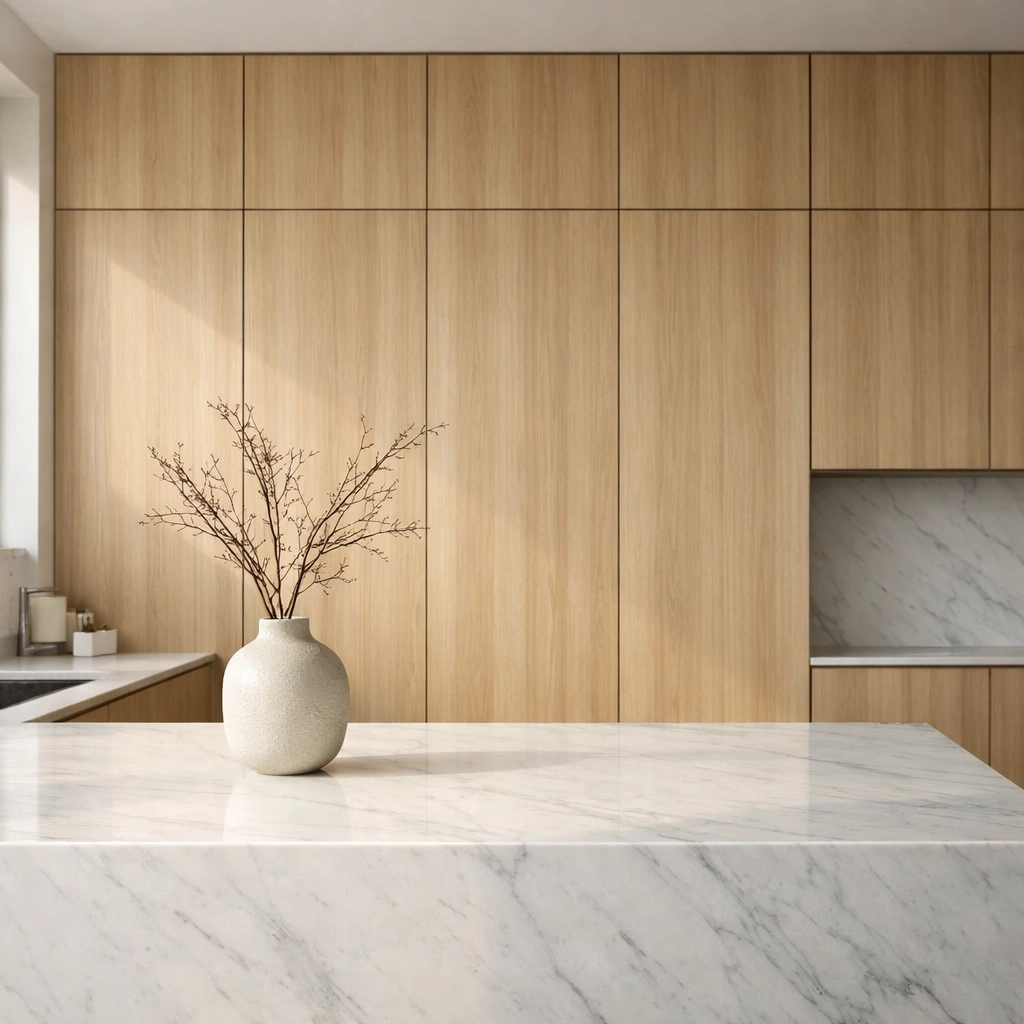
7. Floating Vanities and Desks
When you can see more of the floor, the room feels larger. Floating your bathroom vanity or your workspace off the floor creates a sense of "visual lightness" that prevents the room from feeling weighed down.
8. Multi-Level Flooring
In an open-concept loft or apartment, you can define "zones" without using walls. Raising a bedroom area or a reading nook by just a few inches creates a psychological shift between spaces, keeping the layout feeling organized but open.
9. Hidden Kitchen Pantries
I love a clean aesthetic. By designing a pantry that blends seamlessly with your wall paneling, you hide the visual clutter of groceries and small appliances, which is essential for maintaining a sense of calm in a small kitchen.
10. The Hallway Library
Hallways are often treated as "utility" spaces. By adding shallow, built-in shelving, you can transform a transition area into a beautiful home library. It’s a functional use of space that adds a layer of warmth and personality.
11. Entryway "Decompression" Zones
Every NYC home needs a mudroom, even if it’s just a two-foot wide niche. Creating a dedicated spot to shed the "city" (shoes, coats, keys) helps keep toxins out of your living area and signals to your brain that it’s time to relax.
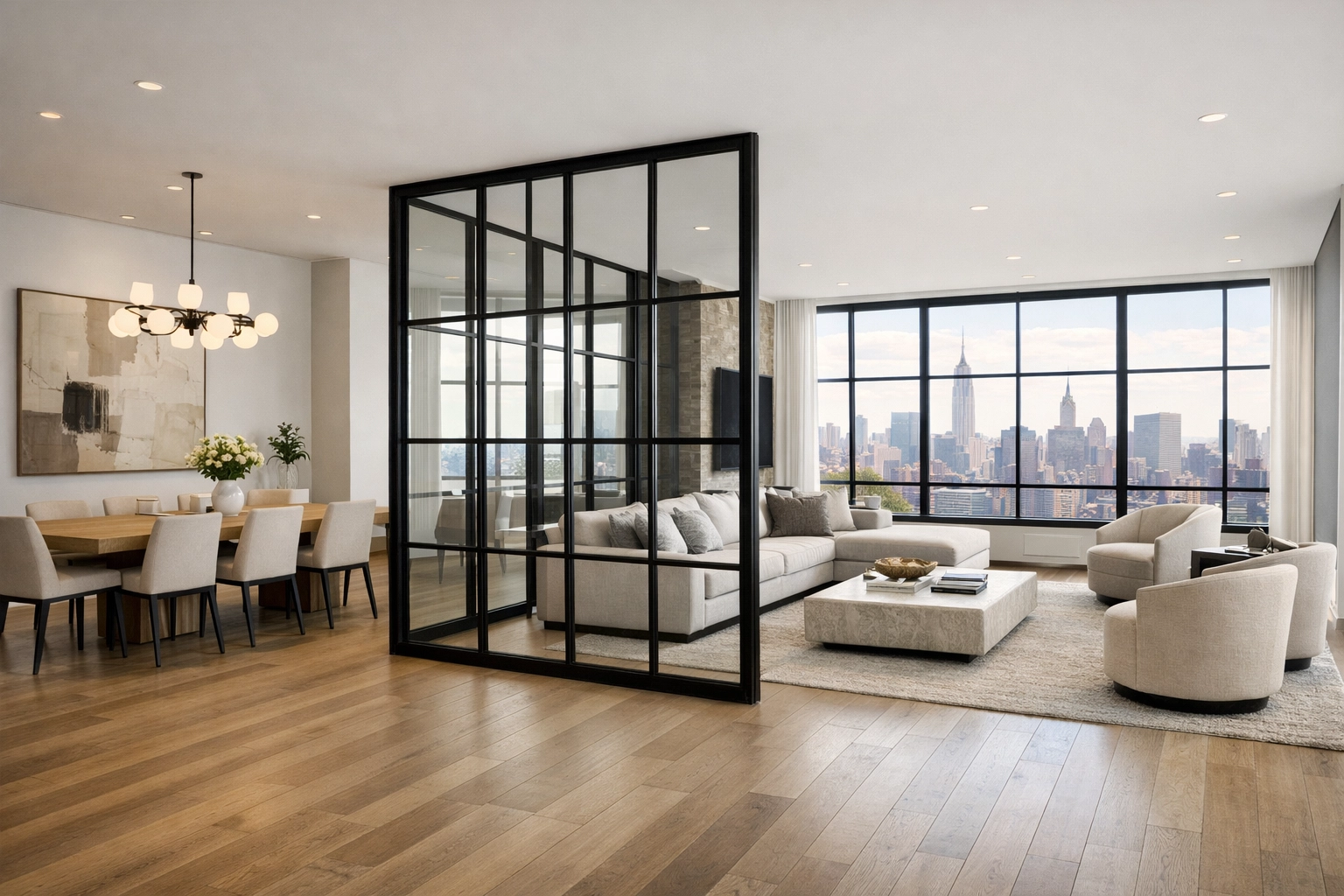
12. Glass Partition Walls
If you want to separate a home office or a nursery from your living room without blocking light, use steel-framed glass partitions. They provide acoustic privacy while maintaining a visual connection to the rest of the home.
13. Lofted Sleeping Nooks
If you are blessed with high ceilings (10 feet or more), think vertically. Moving the sleeping area to a mezzanine level frees up the entire floor below for living and entertaining.
14. Murphy Desks and Folding Tables
For guest rooms that need to serve double duty, a wall-mounted folding desk or table is a lifesaver. It’s there when you need it and disappears when you don't.
15. Under-Stair Storage
If you live in a townhouse, the space under your stairs is a goldmine. We’ve designed everything from wine cellars to powder rooms to pull-out shoe drawers in this often-overlooked area.
16. Mirrored Backsplashes and Walls
It’s an old trick, but it works. A mirrored backsplash in a galley kitchen or a floor-to-ceiling mirror at the end of a hallway can instantly double the perceived depth of your space.
17. Strategic Sightlines
When we plan a layout, we consider what you see from the moment you walk in. Creating a clear sightline from the front door to a window or a piece of art creates a feeling of "flow" that makes even a small apartment feel grand.
18. Sound-Dampening Zones
Wellness isn't just about what you see; it’s about what you hear. Using acoustic panels hidden behind fabric or strategic furniture placement can create "quiet zones" where you can truly escape the sirens and street noise.
19. Integrated Lighting Systems
Lighting should be layered. Combining recessed overhead lights with warm floor lamps and under-cabinet LEDs allows you to change the mood of your layout throughout the day, supporting your body's natural circadian rhythm.
20. Apartment Combinations
For growing families, sometimes the best layout solution is merging two units. This requires a deep understanding of structural walls and plumbing stacks, but it can provide a suburban-sized home in the heart of the city. You can learn more about the value of hiring innovative residential architects for these complex projects.
Investing in Your Future
Renovating in NYC can feel like a daunting puzzle. From understanding the average cost of construction to navigating the renovation timelines, there are many moving parts.
However, I encourage you to see these decisions not just as expenses, but as investments in your future happiness. A well-laid-out home reduces daily friction, fosters family connection, and provides a sanctuary where you can truly flourish.
At Tong Dong Architects, we pride ourselves on being your partner in this journey. We listen carefully to your needs, whether you need more storage for your kids' toys or a quiet corner for your morning yoga, and we translate those needs into elegant, sustainable architectural solutions.
For a deeper dive into the process, check out our Guide to Home Renovation in New York.
A Final Thought for You
As you look around your current space today, I want you to ask yourself: Does this home support the person I want to be tomorrow?
If the answer is "no," or even "not quite," know that a better layout is possible. It doesn't always require moving to a larger building; sometimes, it just requires a bit of clever thinking and a professional eye.
Are you ready to transform your living space into a true wellness sanctuary? Let’s start the conversation. Your home is a garden: with the right care and the right design, it can truly grow into something beautiful.
Comments