

Wellness Home Renovation NYC
A healthier home starts before construction begins.
If you are planning a renovation in New York City, the early decisions matter: layout, ventilation, materials, lighting, storage, sound, cooking systems, and how your family will live through the process.
Tong Dong Architects helps wellness-conscious families plan apartment, co-op, condo, and townhouse renovations with more clarity. We focus on homes that feel better to live in, with better air, better light, calmer routines, safer material choices, and a renovation process that is easier to understand.
This is wellness-first renovation, designed for real family life in New York City.
What Is a Wellness Home Renovation?
A wellness home renovation is not just about adding plants, natural finishes, or spa-like details.
It is about making practical design decisions that support daily health, comfort, and family routines.
In a New York City home, wellness renovation may include:
-
Improving indoor air quality
-
Choosing low-emission materials
-
Increasing useful natural light
-
Planning better ventilation
-
Reducing noise and stress
-
Creating better storage and flow
-
Designing safer kitchens and bathrooms
-
Reducing dust and disruption during construction
-
Supporting sleep, cooking, work, play, and rest
-
Planning a home that feels easier to live in every day
For families, wellness is not a trend. It is the difference between a home that looks finished and a home that supports how you actually live.
This Is a Good Fit If You Are
-
Renovating an apartment, co-op, condo, townhouse, or family home in NYC
-
Planning a kitchen, bathroom, full apartment, or layout renovation
-
Concerned about dust, air quality, material safety, or chemical odors
-
Trying to choose healthier paints, flooring, cabinetry, countertops, or finishes
-
Wondering whether induction, better ventilation, or filtration should be part of the renovation
-
Renovating with children, pets, allergies, asthma, remote work, or sleep quality in mind
-
Looking for more natural light, better storage, and calmer daily routines
-
Trying to reduce renovation stress before construction begins
-
Wanting a home that feels modern, thoughtful, and healthier without becoming overcomplicated
We help families make better decisions early, when wellness choices are easiest to include.
Why Healthier Home Decisions Should Be Made Before Construction
Many wellness decisions cannot be added at the end.
By the time construction starts, it may be too late or too expensive to change ventilation, lighting, appliances, flooring assemblies, cabinetry materials, wall locations, electrical planning, or acoustic details.
That is why wellness-first renovation starts early.
Before contractor pricing, you should understand:
-
Whether your renovation affects ventilation or cooking exhaust
-
Which materials may release odors or emissions
-
Whether your kitchen should support induction cooking
-
How natural light moves through the home
-
Where storage can reduce daily clutter and stress
-
How noise travels through walls, floors, windows, and doors
-
Whether construction phasing may affect children, pets, or remote work
-
What your building allows before you commit to a design
The earlier these questions are answered, the easier it is to build wellness into the renovation instead of treating it as an upgrade later.
7 Wellness Renovation Decisions to Make Before Construction Starts
1. Indoor Air Quality
Indoor air quality is one of the most important parts of a healthier renovation.
A renovation can improve air quality, but it can also create new problems if materials, ventilation, dust control, and appliances are not planned carefully.
We help you think through:
-
Ventilation options
-
Cooking exhaust
-
Filtration
-
Construction dust control
-
Low-emission materials
-
Paints, adhesives, sealants, and finishes
-
How air moves between rooms
-
How the home will feel after construction is complete
2. Low-Emission Materials
Material choices affect how a home smells, performs, ages, and feels.
We help you consider healthier options for:
-
Paint
-
Flooring
-
Cabinetry
-
Millwork
-
Adhesives
-
Sealants
-
Countertops
-
Wall finishes
-
Insulation
-
Furniture and built-ins
The goal is not to make every choice perfect. The goal is to know which decisions matter most for your scope, budget, and family.
3. Natural Light
Natural light can change how a home feels throughout the day.
In NYC apartments and townhouses, light can be limited by building depth, nearby buildings, window placement, room layout, and interior partitions.
We help you study:
-
Where natural light enters the home
-
Which rooms need the most daylight
-
How layout changes can share light
-
How finishes affect brightness
-
Where glass, openings, or lighter surfaces may help
-
How to avoid creating dark interior rooms

4. Ventilation and Cooking
Kitchens are one of the most important rooms in a wellness renovation.
Cooking, exhaust, gas appliances, moisture, odors, and heat all affect comfort and indoor air quality.
We help you think through:
-
Induction vs gas cooking
-
Range hood location and performance
-
Make-up air questions
-
Building restrictions
-
Ventilation limits in apartments and co-ops
-
Electrical requirements for appliance changes
-
How cooking choices affect family routines
5. Acoustic Comfort
A calm home is not only visual. It is also acoustic.
In NYC, sound can come from neighbors, streets, hallways, mechanical systems, children, work calls, and shared walls or floors.
We help consider:
-
Bedroom quietness
-
Shared walls
-
Street-facing rooms
-
Flooring assemblies
-
Door and wall details
-
Work-from-home needs
-
Family routines and sleep
6. Storage and Daily Flow
Clutter is often a design problem before it becomes an organization problem.
A wellness-first renovation looks at how the home works during a real day.
We help plan for:
-
Entry storage
-
School bags and coats
-
Cleaning supplies
-
Toys and books
-
Laundry
-
Kitchen storage
-
Bathroom storage
-
Work-from-home supplies
-
Seasonal items
-
Clear circulation paths
The goal is to reduce daily friction, not just add cabinets.
7. Renovating With Kids, Pets, or Remote Work
For many families, the renovation process itself affects health and stress.
Before construction starts, it helps to plan for:
-
Dust separation
-
Temporary kitchen needs
-
Safe access routes
-
Noise expectations
-
Work-from-home disruptions
-
Pet safety
-
Children’s routines
-
Material storage
-
Construction phasing
-
Move-out vs live-through decisions
A healthier renovation includes the process, not just the final result.

Healthier Material Choices for NYC Renovations
Material selection is one of the most common places families feel overwhelmed.
You may hear terms like low-VOC, no-VOC, formaldehyde-free, natural, sustainable, antimicrobial, recycled, certified, or non-toxic. Some terms are useful. Others need context.
We help you focus on the material decisions that are most relevant to your project.
Paints and Coatings
Look for lower-emission paints and coatings, especially in bedrooms, children’s rooms, and areas where your family spends the most time.
Flooring
Flooring affects indoor air, acoustics, maintenance, comfort, and durability. In apartments and co-ops, it also needs to meet building rules for sound transmission.
Cabinetry and Millwork
Cabinet boxes, finishes, adhesives, and engineered wood products can affect indoor air quality. If you are planning custom millwork or a kitchen renovation, this should be discussed early.
Countertops and Surfaces
Countertops should be reviewed for durability, maintenance, fabrication, installation, and how they fit your family’s daily cooking habits.
Adhesives and Sealants
Adhesives, caulks, sealants, and installation products can affect odors and air quality, especially right after construction.
Insulation and Wall Assemblies
For townhouses or larger renovations, insulation choices may affect comfort, energy use, moisture management, and indoor air quality.
Furnishings and Built-Ins
Renovation decisions often connect to furniture, rugs, window treatments, and built-ins. These can also affect air quality, dust, and maintenance.
Important note: No material is healthy in every situation. The right choice depends on use, exposure, durability, budget, installation, maintenance, and your family’s priorities.
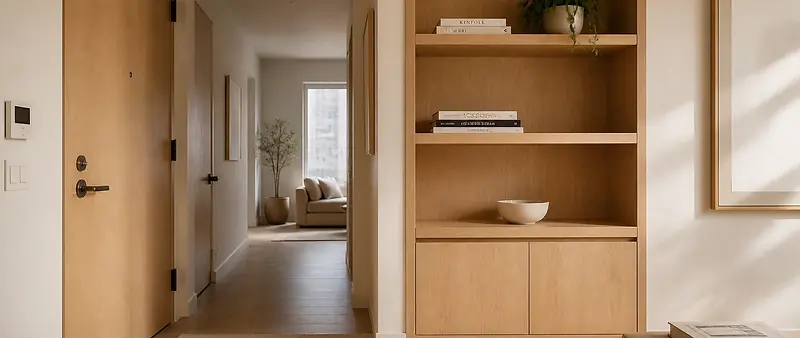
Wellness Renovation in NYC Apartments, Co-ops, and Townhouses
Wellness renovation in New York City has unique constraints.
You may not be able to move vents, add new exterior penetrations, change windows, move plumbing freely, or install certain systems without building approval.
That does not mean wellness is impossible. It means it needs to be planned carefully.
In NYC Apartments
Wellness decisions often focus on layout, storage, natural light, materials, kitchen ventilation, acoustic comfort, and better use of limited space.
In Co-ops and Condos
Building rules may affect flooring, plumbing, ventilation, appliances, work hours, and contractor requirements. Wellness decisions should be coordinated with the alteration agreement and board approval process.
In Townhouses
There may be more flexibility, but also more responsibility. Townhouse renovations may involve envelope upgrades, insulation, mechanical systems, roof work, cellar conditions, landmark restrictions, and energy performance.
In Family Homes
The focus is often daily function: where children sleep, how mornings work, where clutter lands, how noise moves, how cooking happens, and how the home supports rest.
A good wellness renovation balances what is ideal with what is realistic for your building, budget, and life.

Every project is different, but our process usually follows a clear sequence.
Step 1: Understand Your Family and Home
We begin by learning how you live now, what feels stressful, what needs to change, and what wellness means for your family.
Step 2: Review Existing Conditions
We look at layout, light, air, storage, circulation, noise, building rules, and any existing conditions that may affect the renovation.
Step 3: Identify Wellness Priorities
We help you identify which wellness goals matter most for your project. This may include air quality, materials, natural light, acoustic comfort, storage, cooking, sleep, or daily routines.
Step 4: Define the Scope
We clarify what should be included in the renovation and what may be optional, phased, or avoided.
Step 5: Coordinate Building and Approval Requirements
For apartments, co-ops, and condos, we review building rules, alteration agreements, board requirements, and approval steps that may affect the design.
Step 6: Develop the Design
We create a design direction that balances wellness goals, aesthetics, budget, construction realities, and long-term use.
Step 7: Support Contractor Pricing and Construction Preparation
We help clarify the scope so contractors understand what they are pricing and what details matter before construction begins.
Step 8: Construction Phase Guidance
During construction, we help answer questions, clarify design intent, and support wellness-related decisions when issues come up.
Common Wellness Renovation Mistakes to Avoid
Mistake 1: Thinking Wellness Means Expensive Upgrades
A healthier home does not always require the most expensive products. Sometimes the highest-impact decisions are planning decisions: better airflow, better storage, better light, fewer unnecessary materials, and clearer construction sequencing.
Mistake 2: Choosing “Natural” Materials Without Checking Performance
Natural does not always mean better for every use. Materials should be reviewed for durability, maintenance, moisture, installation, emissions, and how they perform in real life.
Mistake 3: Waiting Too Long to Think About Ventilation
Ventilation and cooking decisions affect layout, electrical planning, appliances, building approvals, and construction coordination. These should be discussed early.
Mistake 4: Treating Low-VOC Paint as the Whole Strategy
Paint matters, but indoor air quality also involves flooring, cabinetry, adhesives, sealants, filtration, ventilation, dust control, and daily use.
Mistake 5: Forgetting About Noise
A beautiful home can still feel stressful if bedrooms are loud, doors do not control sound, or work-from-home spaces are not planned well.
Mistake 6: Designing for Photos Instead of Routines
A wellness-first home should support mornings, meals, homework, sleep, storage, cleaning, and rest. The best design decisions often come from studying daily life.
Mistake 7: Ignoring Building Rules
In NYC apartments, co-ops, and condos, building rules may affect flooring, ventilation, plumbing, windows, mechanical systems, work hours, and contractor requirements.

Why Families Work With Tong Dong Architects
Tong Dong Architects brings more than 18 years of residential architecture experience to families who want a healthier, clearer renovation process.
We combine high-end architectural experience with practical guidance for New York City homes.
Our approach is:
-
Wellness-first: We consider air, light, materials, acoustics, storage, and daily routines.
-
Process-led: We help you understand the right order of decisions.
-
NYC-aware: We design within apartment, co-op, condo, townhouse, and building approval constraints.
-
Family-centered: We plan for children, pets, work, meals, sleep, and real life.
-
Calm and clear: We explain the process so you are not guessing your way through it.
The goal is not just a renovated home. The goal is a home that feels better to live in.
Wellness Home Renovation FAQ
What is a wellness home renovation?
A wellness home renovation is a renovation planned around health, comfort, and daily routines. It may include better air quality, more natural light, lower-emission materials, improved storage, acoustic comfort, safer kitchens and bathrooms, and design decisions that reduce daily stress.
What makes a renovation healthier?
A healthier renovation usually starts with better planning. Important decisions may include ventilation, material selection, low-emission finishes, daylight, acoustic comfort, dust control, storage, cooking systems, and how the home supports sleep, meals, work, and family routines.
What are low-VOC materials?
Low-VOC materials release lower levels of volatile organic compounds compared with conventional alternatives. VOCs can be found in some paints, adhesives, sealants, flooring, finishes, and manufactured wood products. Product labels should be reviewed carefully because terms can vary.
Are non-toxic materials always better?
Not always. “Non-toxic” is often used broadly in marketing. The better question is whether a material is appropriate for the use, durable, lower-emission, easy to maintain, and suitable for your family’s exposure level and budget.
How can I improve indoor air quality during a renovation?
Indoor air quality can be supported through better ventilation, filtration, lower-emission materials, dust control, careful construction sequencing, appliance planning, and post-construction cleaning. The right strategy depends on your building and scope.
Is induction cooking better for a wellness renovation?
Induction can be a strong option for families concerned about indoor air quality, heat, safety, and easy cleaning. In NYC apartments and co-ops, it also depends on electrical capacity, building rules, appliance needs, and cooking preferences.
Can wellness renovation work in a small NYC apartment?
Yes. In small apartments, wellness often comes from better layout, light sharing, storage, acoustic comfort, lower-emission materials, and reducing daily friction. Small changes can have a large effect when they are planned well.
Can I do a wellness renovation in a co-op?
Yes, but your wellness goals need to be coordinated with the alteration agreement, board rules, plumbing limits, flooring requirements, ventilation limits, work hours, and contractor requirements.
What materials should I avoid in a healthier renovation?
There is no single avoid list that applies to every home. In general, it helps to review high-exposure materials such as paints, flooring, cabinetry, adhesives, sealants, countertops, insulation, and furnishings. The right choices depend on use, budget, installation, and maintenance.
How early should I think about wellness in the renovation process?
As early as possible. Air, light, layout, electrical planning, ventilation, materials, and acoustics are easier to address before contractor pricing and construction begin.
Can you help me choose healthier finishes?
Yes. We help families think through finish decisions in the context of durability, maintenance, emissions, budget, construction requirements, and daily use.
Do wellness renovations cost more?
Not always. Some wellness decisions may add cost, but others are planning decisions that can be included early without major upgrades. The key is to decide what matters most before the design and construction scope are locked.
What is the first step if I want a healthier home renovation?
Start by identifying your top concerns: air quality, materials, light, noise, storage, sleep, cooking, or construction stress. Then review your home type, building rules, budget, and scope before choosing products or calling contractors.