
Is Your Flooring Toxic? The Ultimate Guide to Healthy, Kid-Friendly Materials for Your NYC Renovation
Updated: Apr 29
When you imagine your dream NYC home, you likely think about the light streaming through the windows, the layout of the kitchen, or the perfect shade of white for the gallery walls. But as an architect, I’ve found that the most important decision you make might be the one right under your feet.
In a city like New York, our homes are our sanctuaries. They are the places where we retreat from the buzz of the streets to recharge and flourish. However, for families with young children, the floor isn't just a design element: it’s a playground, a dining table, and a nap spot. If you are planning a healthy home renovation, the materials you choose for your flooring will have a more significant impact on your indoor air quality than almost any other finish in your home.
The Floor: Your Child’s First Environment
Think of your home as a living organism. Just as we care for our bodies by choosing organic foods and filtered water, our homes require the same level of intentionality to remain healthy. For a toddler, the world exists within three feet of the floor. They crawl, they explore with their hands, and: as every parent knows: they inevitably put their mouths on everything.
Unfortunately, many conventional flooring materials act as a source of "off-gassing," releasing Volatile Organic Compounds (VOCs) and other chemicals into the air. Because these chemicals are often heavier than air, they settle in the "breathing zone" of a crawling child. When we talk about non toxic materials renovation, we aren’t just talking about being "eco-friendly"; we are talking about protecting the developing respiratory and reproductive systems of our children.
The Invisible Guests: VOCs, Phthalates, and Formaldehyde
To build a true sanctuary, we must understand the "invisible guests" that often hitch a ride with standard construction materials. Research has shown that many common flooring options sold by major retailers contain hazardous substances that can linger for years.
Phthalates: These are often found in vinyl (PVC) flooring. A startling study found that 58% of vinyl tiles tested contained phthalates: chemicals that have actually been banned in children’s toys since 2009. These chemicals migrate from the floor into the dust that children inhale or ingest while playing.
Formaldehyde: Commonly used in the adhesives of laminate and engineered wood, formaldehyde is a known human carcinogen. Even short-term exposure can lead to headaches, dizziness, and respiratory irritation.
The Asthma Connection: The stakes are high. Children living in homes with vinyl flooring in their bedrooms are 1.5 times more likely to develop doctor-diagnosed asthma. In a dense environment like NYC, where outdoor air quality is already a challenge, ensuring your indoor air is pristine is a vital investment.

Why a "Healthy Home Renovation" is a Long-Term Investment
At Tong Dong Architects, we view every project as a partnership. We listen carefully to your concerns because we know that a renovation is a significant emotional and financial commitment. Choosing healthy, non-toxic materials is an investment in your family’s future well-being.
When you prioritize indoor air quality, you are creating a space where your family can breathe easily and sleep deeply. A healthy home isn't just about avoiding illness; it’s about creating an environment where everyone can thrive. For more insights on this philosophy, you can explore the ultimate guide to a healthy home.
The Best Non-Toxic Materials for NYC Families
The good news is that you don’t have to sacrifice style for safety. There are several beautiful, durable, and completely non-toxic options that are perfect for a high-traffic NYC apartment or townhouse.
Before we get into specific materials, here’s one label I tell clients to look for when they’re trying to protect indoor air quality: GREENGUARD Gold.
What GREENGUARD Gold actually means (and why it matters): this certification is designed to identify products that meet stricter chemical emissions limits, helping reduce the VOCs that can quietly accumulate in your home’s air over time. For example, in a tight NYC apartment where you can’t always open windows—and where kids spend hours playing on the floor—choosing a low-emitting, certified product can make your home feel noticeably more breathable.
How it helps you choose non-toxic materials without decision paralysis:
It’s an emissions screen, not a marketing slogan. GREENGUARD Gold focuses on what a product releases into the air, which is the heart of indoor air quality.
It’s especially helpful for “composite” products. For example, some engineered wood, underlayments, or adhesives may be marketed as “eco,” but certification helps you verify low emissions.
It supports a whole-system approach. A healthy floor isn’t just the plank or tile—it’s also the underlayment and adhesive. Using GREENGUARD Gold–certified components where possible helps keep the entire assembly aligned with your wellness goals.
A quick reality check: GREENGUARD Gold doesn’t automatically mean “chemical-free.” It means lower emissions and a clearer, more trustworthy baseline for choosing safer materials—especially when you’re balancing beauty, durability, and budget in a real-world renovation.
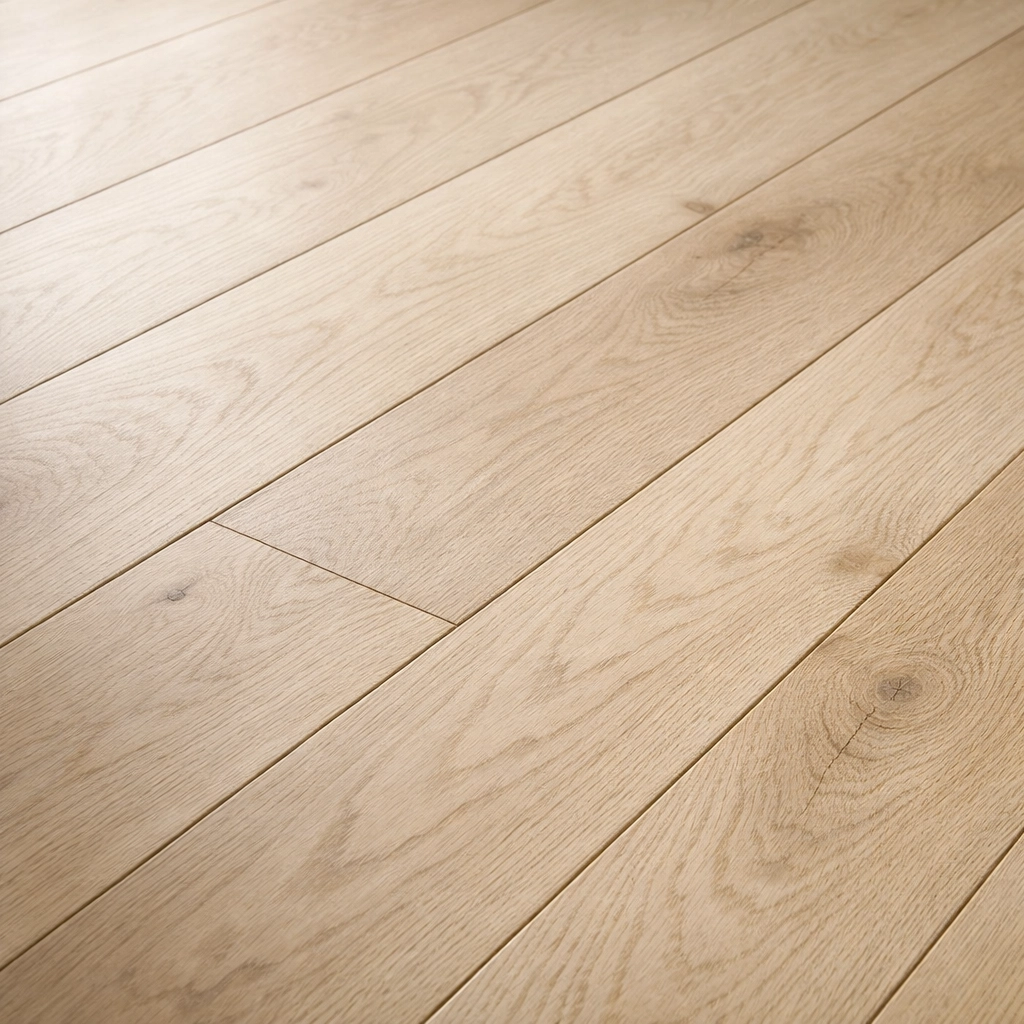
1. Solid, FSC-Certified Hardwood
Solid wood is the gold standard for a healthy home. Unlike engineered wood, which often relies on layers glued together with formaldehyde-based adhesives, solid wood is a single, natural material.
To ensure your wood is truly sustainable and healthy, look for FSC-certified (Forest Stewardship Council) products. This certification ensures the wood is harvested responsibly. To keep it non-toxic, we recommend finishing the wood with plant-based oils or water-based, low-VOC polyurethanes. The result is a sunlit, warm floor that feels incredible underfoot and lasts for generations.
2. Cork: Nature’s Shock Absorber
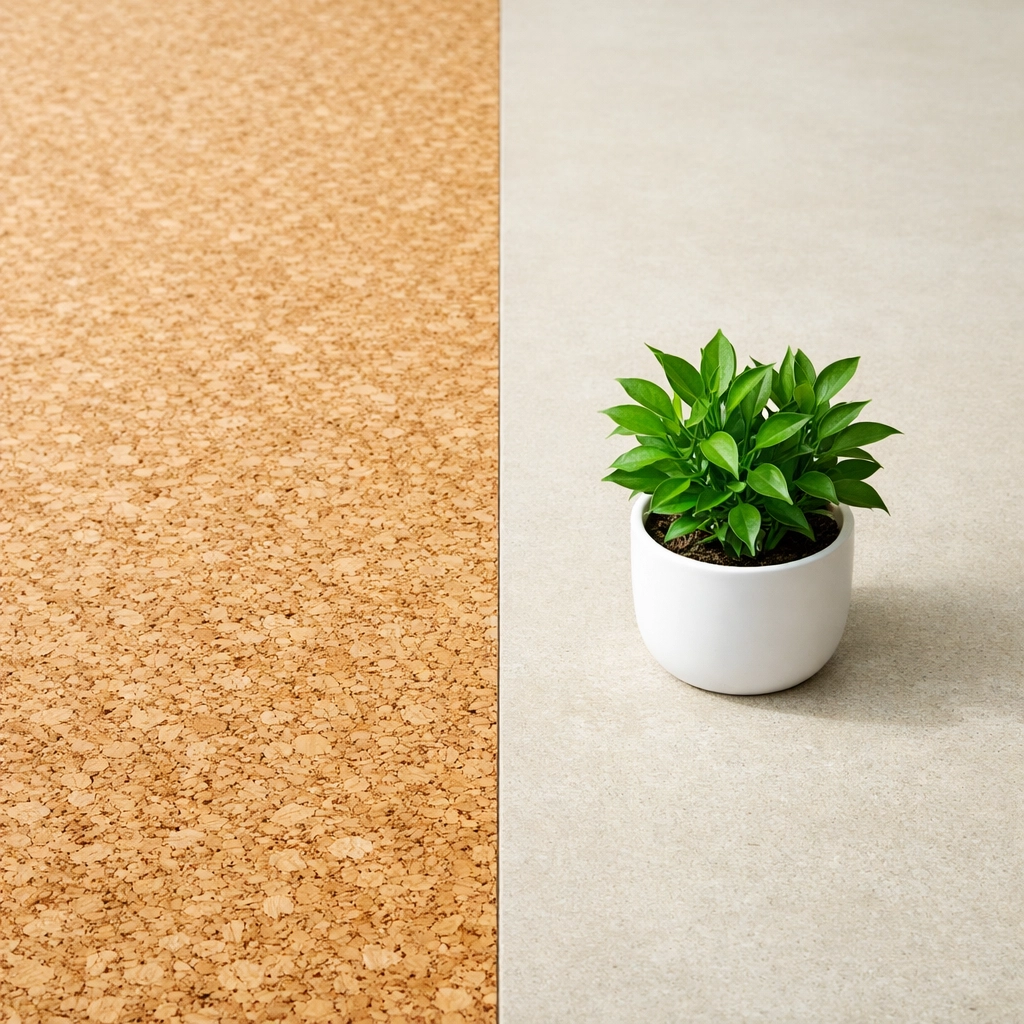
Cork is one of my favorite materials for nurseries and playrooms. It is harvested from the bark of the cork oak tree without harming the tree itself, making it incredibly sustainable.
From a wellness perspective, cork is a miracle material. It is naturally antimicrobial, fire-resistant, and hypoallergenic. It also contains "suberin," a waxy substance that repels insects and prevents rot. Because cork is soft and "springy," it provides excellent impact resistance for toddlers who are still finding their footing. It also acts as a natural sound insulator: a major plus for any NYC apartment dweller with neighbors downstairs.
3. Real Linoleum: The Natural Classic
It is a common mistake to use the terms "linoleum" and "vinyl" interchangeably, but they couldn't be more different. While vinyl is a synthetic plastic (PVC), real linoleum is made from natural ingredients like linseed oil, wood flour, and cork dust on a jute backing.
Natural linoleum is inherently antibacterial and does not off-gas toxic chemicals. It comes in a vast array of vibrant colors and patterns, allowing for a playful yet sophisticated design. It is exceptionally durable and stands up well to the heavy wear and tear of a busy family home.
4. Ceramic and Stone
For kitchens and entryways, natural stone or ceramic tile are excellent choices. These materials are inert, meaning they do not emit any VOCs. They are also incredibly easy to clean, preventing the buildup of allergens like dust and pet dander.
When installing tile, the key to a non toxic materials renovation is in the details: use solvent-free mastics and low-VOC grouts. This ensures that the entire "system" of your floor is as healthy as the surface you see.
Materials to Avoid
If your goal is a healthy home, there are a few materials I generally advise my clients to steer clear of:
Standard Vinyl (PVC): As mentioned, the phthalate and heavy metal content (including lead and cadmium in some cases) makes this a poor choice for homes with children.
Wall-to-Wall Carpet: Carpets are notorious for trapping dust mites, pet dander, and outdoor pollutants. Furthermore, the synthetic fibers and "stain-resistant" treatments often contain PFAS: the so-called "forever chemicals."
Low-Quality Laminate: Unless specifically certified for low emissions, many laminates use high-VOC glues that can off-gas for years.
Crafting Your Sanctuary with TDA
Designing a home is about more than just square footage and aesthetics; it’s about harmony. It’s about creating a space that nurtures your family and protects your most vulnerable members.
At Tong Dong Architects, we specialize in navigating the complexities of NYC renovations while keeping wellness at the forefront. Whether you are tackling a UWS Townhouse or a modern loft, we help you source materials that align with your values. Working together, we can ensure that every choice: from the flooring to the light fixtures: contributes to a home that feels airy, quiet, and safe.
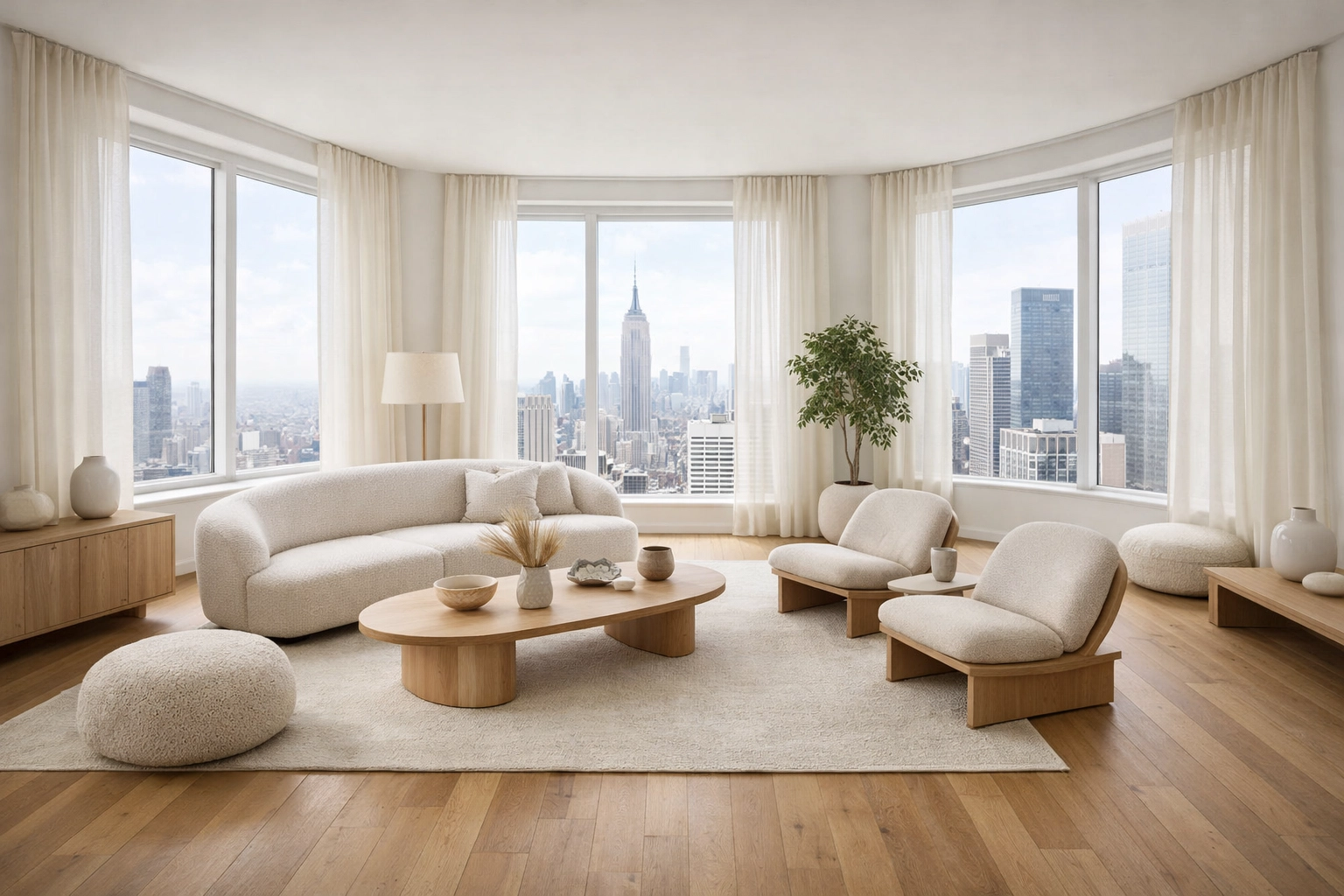
If you're feeling overwhelmed by the technical details of VOCs and certifications, remember that you don’t have to do this alone. There is immense value in hiring innovative residential architects who prioritize your health as much as your home's beauty.
Ready to Start Your Healthy Renovation?
Your home should be a place where your family can truly flourish. By choosing non-toxic flooring, you are taking a massive step toward improving your indoor air quality and providing a safe foundation for your children to grow.
Are you planning a renovation and want to ensure your home is a healthy sanctuary? We would love to help you bring that vision to life. Get in touch with us today to discuss how we can make your NYC renovation both beautiful and breathe-easy.
What’s the first thing you’ll change in your home to create a healthier environment for your family?
Comments